


Strategy that makes a difference. Pushes competitors out of the way. Drives growth and expands advertising budgets.
Whether online, social, outdoor, radio, print or television, creative brings life to the strategy. Creative is the magic.
Quant, qual or both, knowing the market, the consumer, the perceptions profoundly influence the work.
Media planning, negotiating, buying and tracking can expand a budget's value by double digits. It's money in the bank. See blog for news!
“A great ad solves advertising problems. A great ad agency solves business problems.”

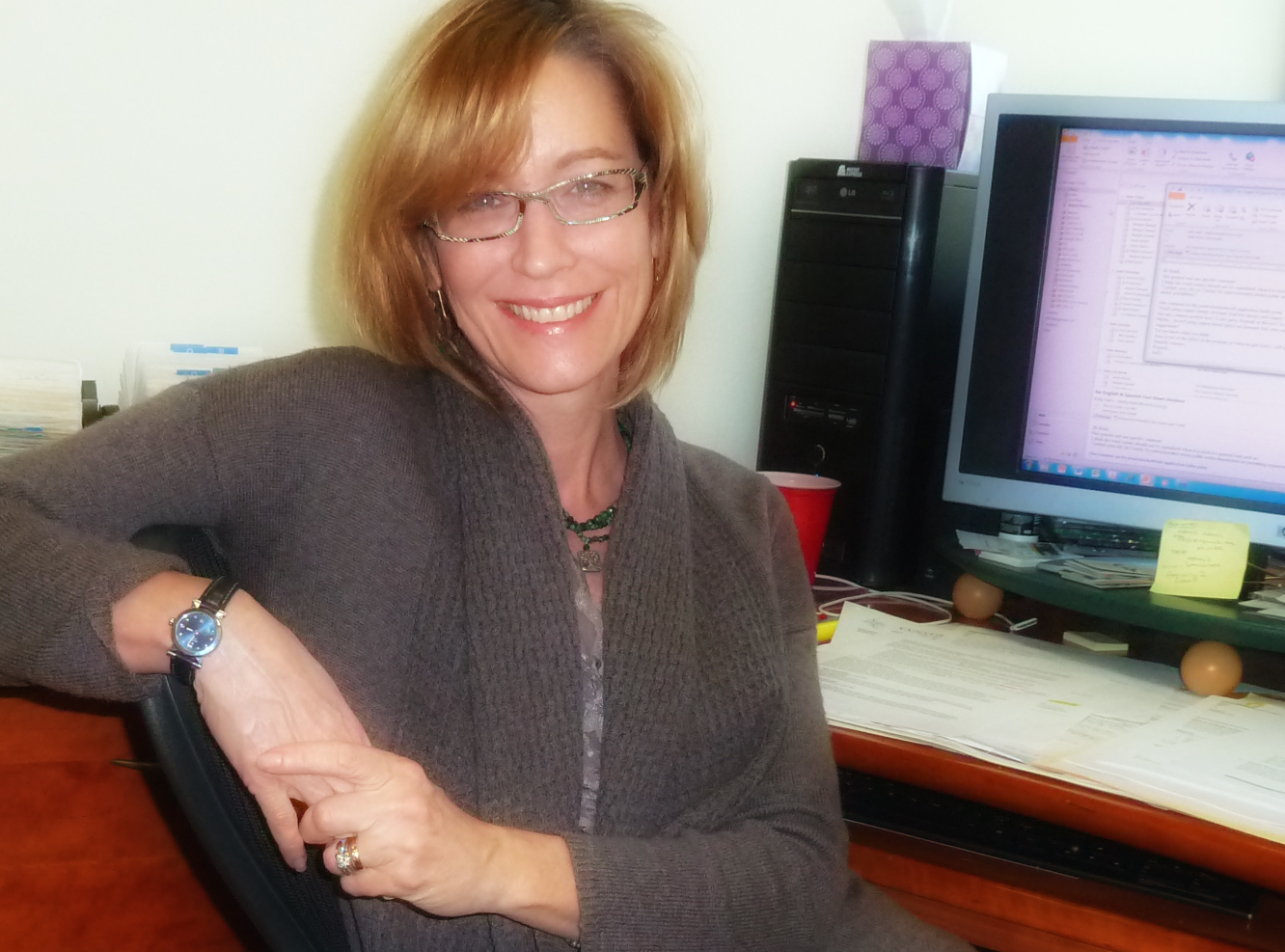
As President and head of Account Service Heidi oversees the strategic direction of all accounts. She peels away the layers of every assignment to clearly define expectations, needs, obstacles and opportunities.
Heidi also brings a strong background in sales promotion, allowing the broadest array of marketing tools, tools usually only found in much larger agencies.
Educated at San Diego State University School of Business Heidi began her career at J.Walter Thompson, went on to run a well-known promotion agency before joining theAgency in 1997

Creative Director with a resume you'd expect to find in New York or Chicago. 30 years of major advertising agency experience at some of the country's most prestigious agencies and for many industry giants gives Bill a unique perspective on what effective advertising can and should be.
Educated at Parson's School of Design/NYU and Harvard he brings a thorough background in research to the creative process while maintaining a belief that our job is to solve business problems.

Serina Jones, media strategy, has over 12 years’ experience in strategic planning. A traditional background now blended with digital, search marketing and social media has made Serina even more strategic in her planning. Working with clients such as Sit N Sleep, Meineke, Maaco, Jack in the Box, TV Guide Network, Bandai Toys, Marriott Hotels, Verizon Wireless, among many others has provided a broad range of expertise and knowledge.